Timeless Design Lessons from Newport’s Historic Homes
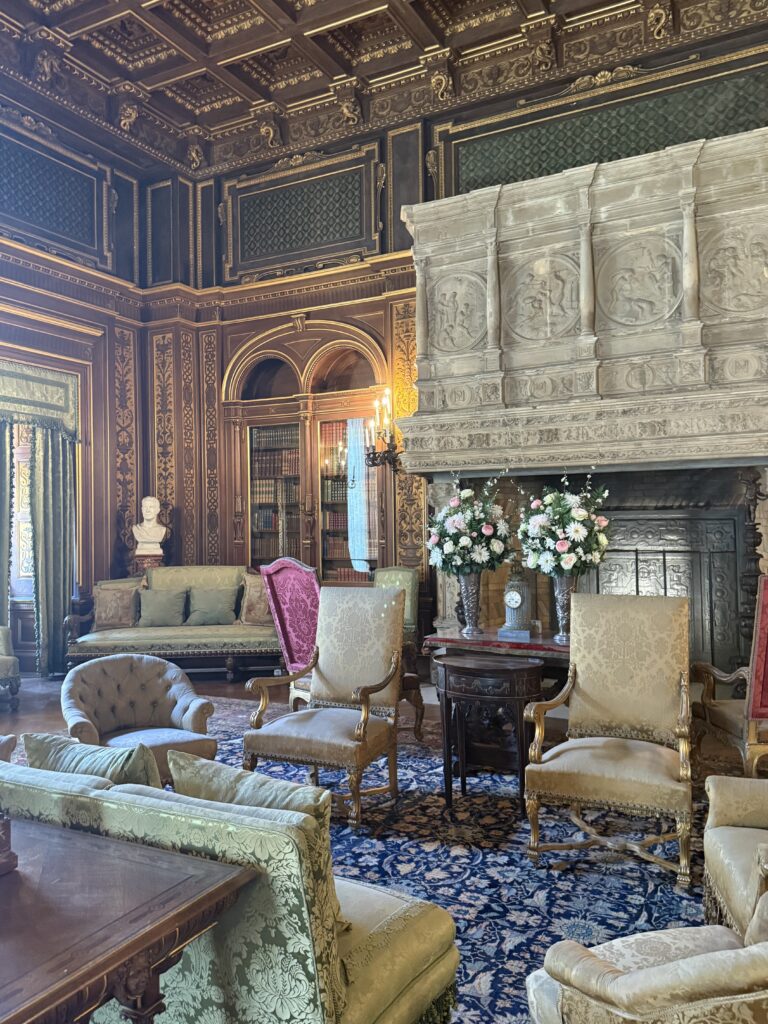
Walk through one of Newport’s Gilded Age mansions and the detail that stays with you isn’t the gold leaf or the imported marble — it’s how deliberately every room was built to make you feel a certain way. The families who commissioned those houses more than a century ago hired some of the first American interior designers precisely to get that feeling right, and the principles those designers worked by have long outlasted the fashions of their moment. These are the lessons we keep coming back to, and how to bring them into a home that’s meant to be lived in rather than only admired.
Start With How a Room Should Make You Feel
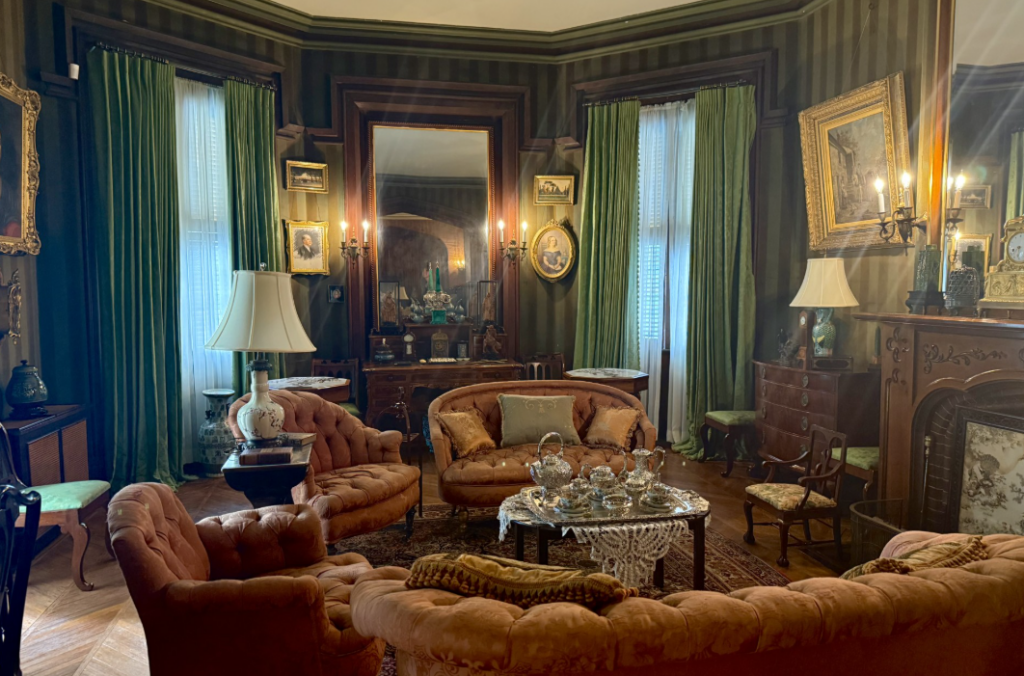
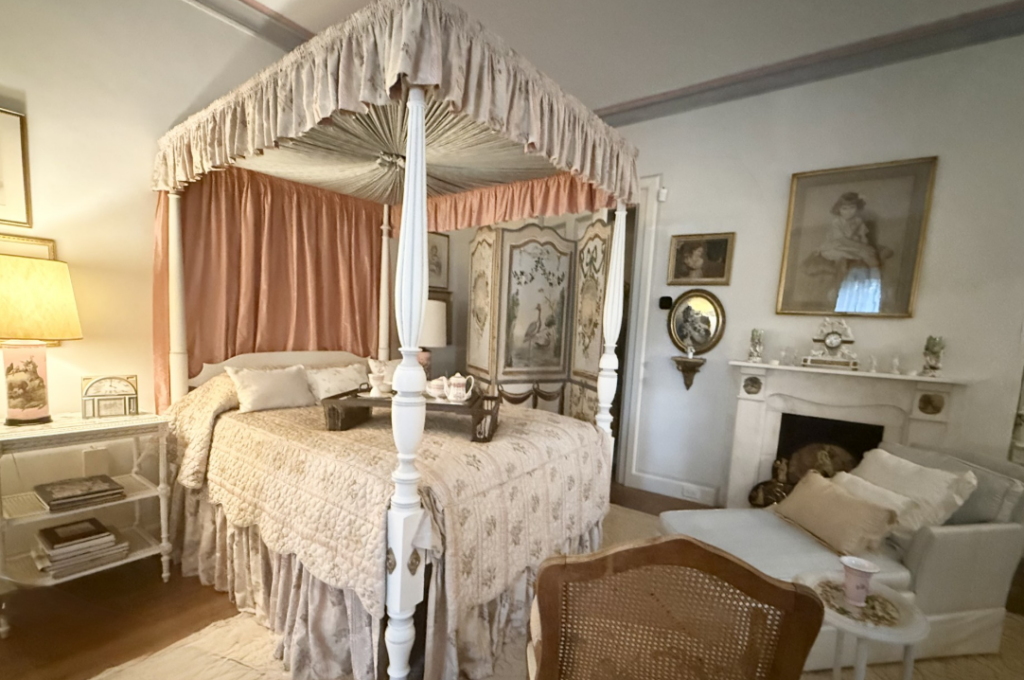
The Gilded Age didn’t invent interior decoration, but it did turn it into a genuine profession — because how a space made its owners and their guests feel had become the entire point. You can still read that intention at The Breakers: the downstairs rooms are all pomp and circumstance, designed to impress the moment you arrive, while the bedrooms upstairs were shaped as a quiet retreat from all that performance. That contrast is the most useful idea we take from these homes. It’s the question we start every project with at Hayden Home Studio: before a single fabric is chosen, we ask how each room should make you feel — energized, calm, gathered, private — and let the answer guide everything that follows. A dining room can carry a little drama. A bedroom should let your shoulders drop.
Choose Restraint Over Spectacle
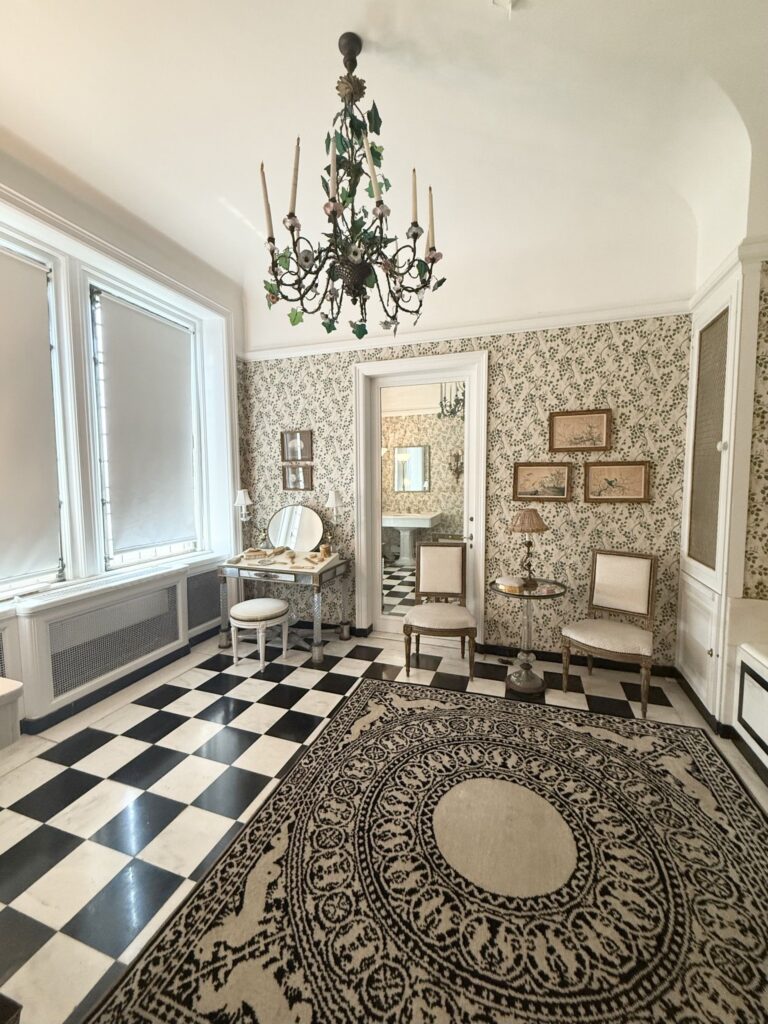
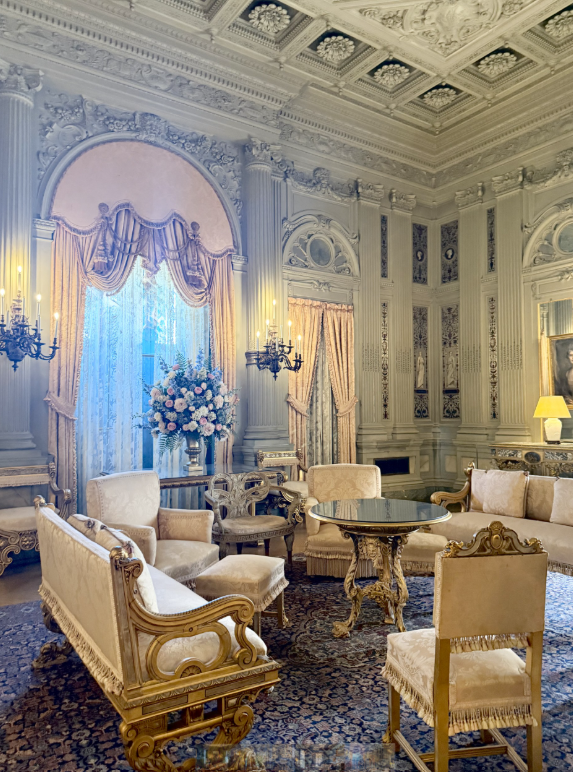
Two designers shaped much of Newport, and the contrast between them still teaches. Jules Allard worked in a highly decorative Beaux-Arts and Rococo style; at The Elms, entire rooms of tapestries, hand-carved paneling, and marble fireplaces were built in Paris, then dismantled, shipped, and reassembled on site to impress. Ogden Codman took the opposite path. His rooms were pared back — still detailed, but built on simple wood paneling and neoclassical plasterwork — and they feel bright and light-filled where Allard’s feel theatrical. Codman went on to co-write The Decoration of Houses with Edith Wharton, essentially arguing that proportion and restraint outlast ornament. We’re inclined to agree. The most timeless rooms we design aren’t the busiest ones; they’re the most edited. When you let good architecture and natural light do the heavy lifting, a space still reads as calm and considered decades later — long after the more theatrical version would have started to feel dated.
Pull Your Palette From What’s Outside
One Newport house in particular, the Isaac Bell House, holds a color lesson worth borrowing. Its cedar shingles are laid in a soft wave pattern that echoes the curve of its porches, and its palette — natural tones, soft greens, and fiery brick reds — was drawn straight from the seaside setting around it and then carried indoors. That’s the heart of classic coastal interior design, and the principle travels anywhere: the most grounded palettes borrow from the light and the landscape just outside the door. In Charlotte, that might mean the warm brick and deep canopy greens of our older streets, or the particular clarity of Carolina afternoon light. We love a palette that clearly belongs to its home, which is why, when we build a paint and color plan, we start with the setting — a color story pulled from a home’s own surroundings always feels right, and it never goes out of style.
Invest in Pieces Made to Last
The great Newport estates were built by specialists — architects, furniture makers, and design firms working together toward one cohesive result — because a collected, made-to-fit interior was understood to be worth the investment. That principle survives even where the marble and the Parisian workshops don’t. We would always rather help you choose one well-made piece that fits your room exactly than fill the space quickly with things you’ll want to replace in a few years. It’s an approach that especially rewards Charlotte’s older homes — the storied houses in neighborhoods like Myers Park and Dilworth, where the goal is to honor a home’s original character while making it work for how a family actually lives now. You can see that range across our portfolio. Layered, collected rooms earn their timelessness one considered choice at a time.
Get the Plan Right Before the Beautiful Part
Here’s the part of the process people are often surprised by: the beautiful decisions come last. We work the floor plans first — how you move through a room, where the light lands, what each space is genuinely for — and only then move on to color and fabric, usually gathered onto a large mood board so the whole direction is clear before anything is ordered. It’s the least glamorous stage and easily the most important, because getting the bones right is what keeps the finishes from turning into expensive mistakes. A good design consultation is built around exactly this: pinning down the plan and the feeling together, so every choice that comes after has something solid to answer to.
Ready to Bring Timeless Design Home
The thread running through all of it is a simple one — the homes we still admire a century later were designed for the people inside them, with restraint, intention, and materials chosen to last. That’s how we approach every project: storied, timeless rooms that feel original to you and true to your home. If you’re ready to bring that kind of thinking to a single room or a whole house, tell us about your space through our inquiry form, and we’ll help you start with the feeling and build from there.